Outdoor Weddings Surrounded by Nature
At the same time, outdoor wedding planning asks for a quieter kind of realism. A beautiful location is only one part of it. Weather, timing, comfort, sound, ground conditions, and simple logistics start to matter more once the event takes place out in the open rather than inside a fixed space.
Definition
An outdoor wedding can be understood as a wedding celebration held partly or fully in an open air setting, where the natural environment becomes part of the experience and planning must account for both atmosphere and changing external conditions.
The Setting Itself
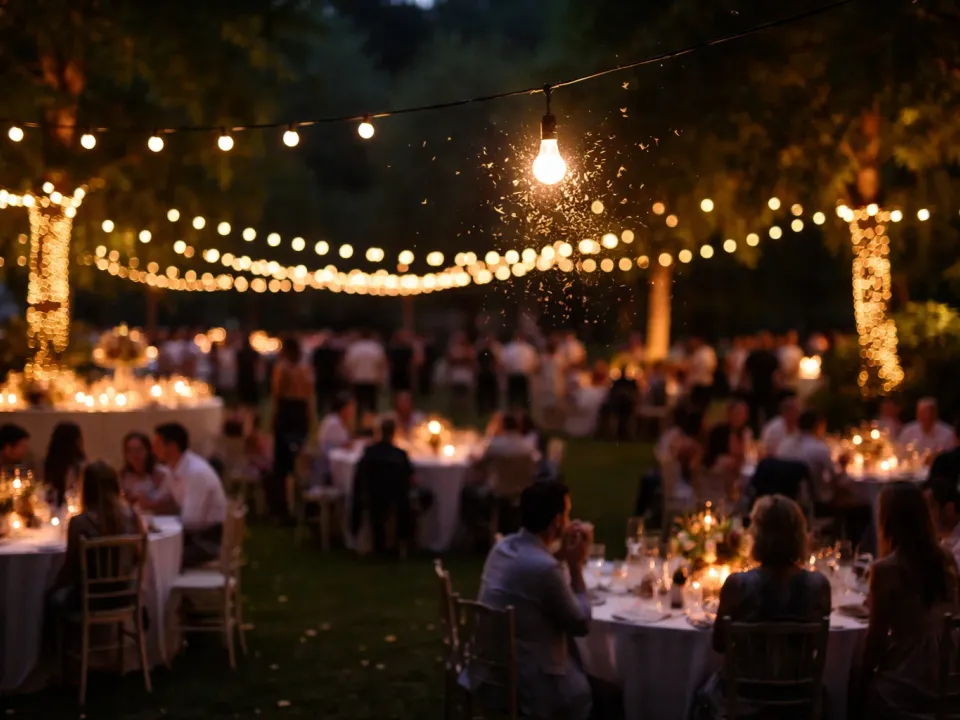
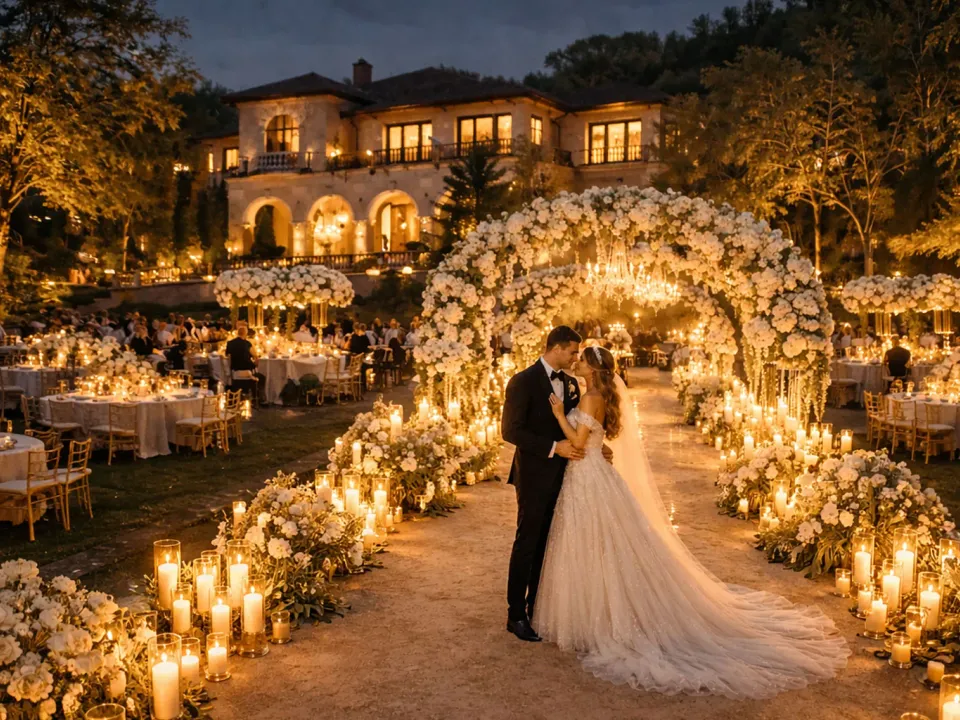
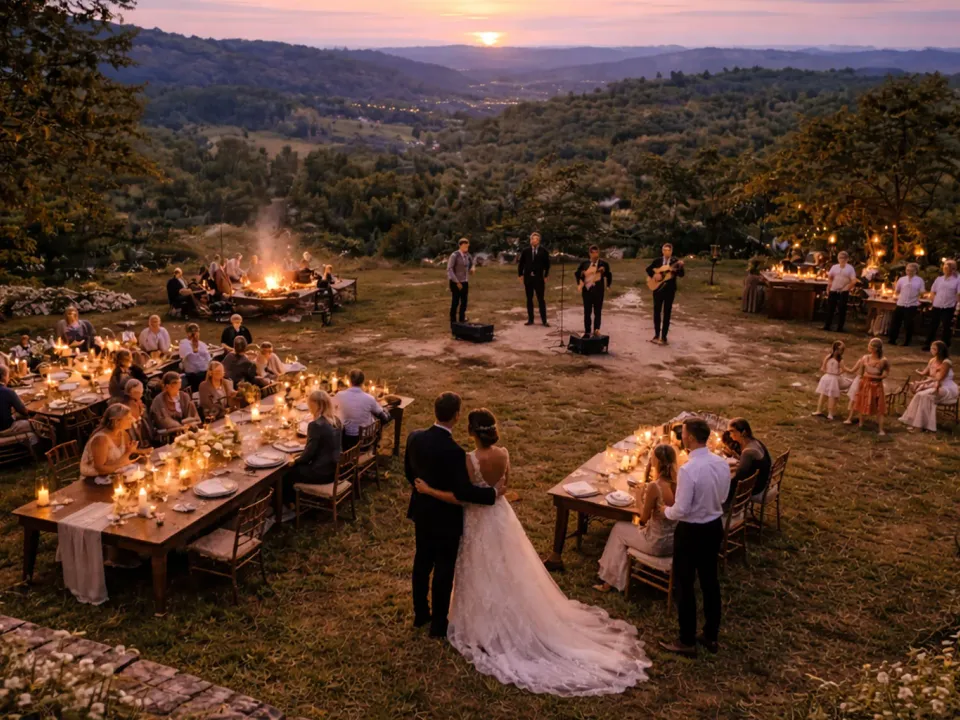
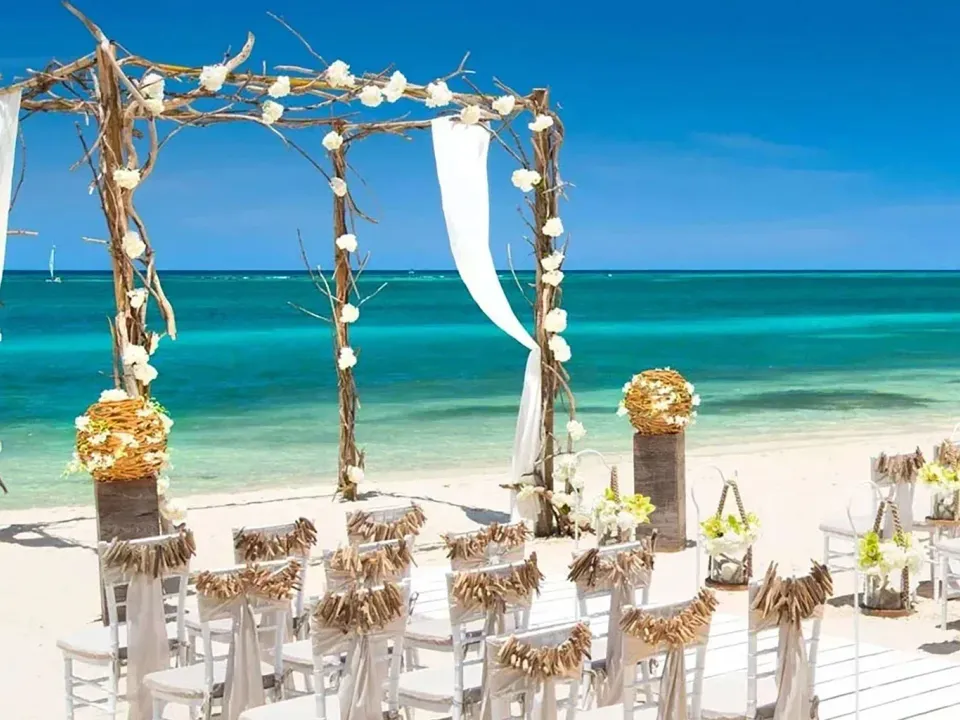
One of the strongest parts of an outdoor wedding is the setting. Gardens, coastlines, forests, hills, vineyards, and private open spaces bring character before any decoration is added. The surroundings already tell part of the story, which is why the design often works best when it supports the location instead of trying to overpower it.
Weather and Flexibility
Weather is the obvious factor, but not only rain matters. Wind, heat, cold, humidity, sudden changes in light, and the timing of sunset can all alter how the day feels. Outdoor weddings usually work best when flexibility is built in early rather than treated as an emergency plan.
Comfort for Guests
Guest comfort tends to shape the mood more than decorative details do. Shade, seating, walking distance, restrooms, temperature, drinks, and protection from small irritations like uneven ground or insects often decide whether the celebration feels effortless or quietly exhausting.
Sound, Light, and Timing
Outdoor spaces behave differently throughout the day. Sound can disappear in open areas or get lost in wind. Light can turn soft and beautiful, then suddenly harsh, then drop faster than expected. Good timing matters because nature shapes the rhythm whether planning accounts for it or not.
Logistics Behind the Beauty
The visual simplicity of an outdoor wedding can hide a lot of practical work. Power, catering access, transportation, rentals, flooring, lighting, vendor setup, and backup structures all need more thought when the space starts as open ground instead of a ready made event venue.
Conclusion
Outdoor weddings feel memorable because they are shaped by more than planning alone. Nature becomes part of the event, bringing beauty, movement, and unpredictability into the same space. When preparation is thoughtful, that mix can create a day that feels both grounded and unforgettable.